
The complete Set 1 Master Course, now free. Build a full foundation in movement, breath, and internal practice through the original system of its creator, Professor Lin Housheng.
Just your name and email to get started.
Original system. Direct transmission.
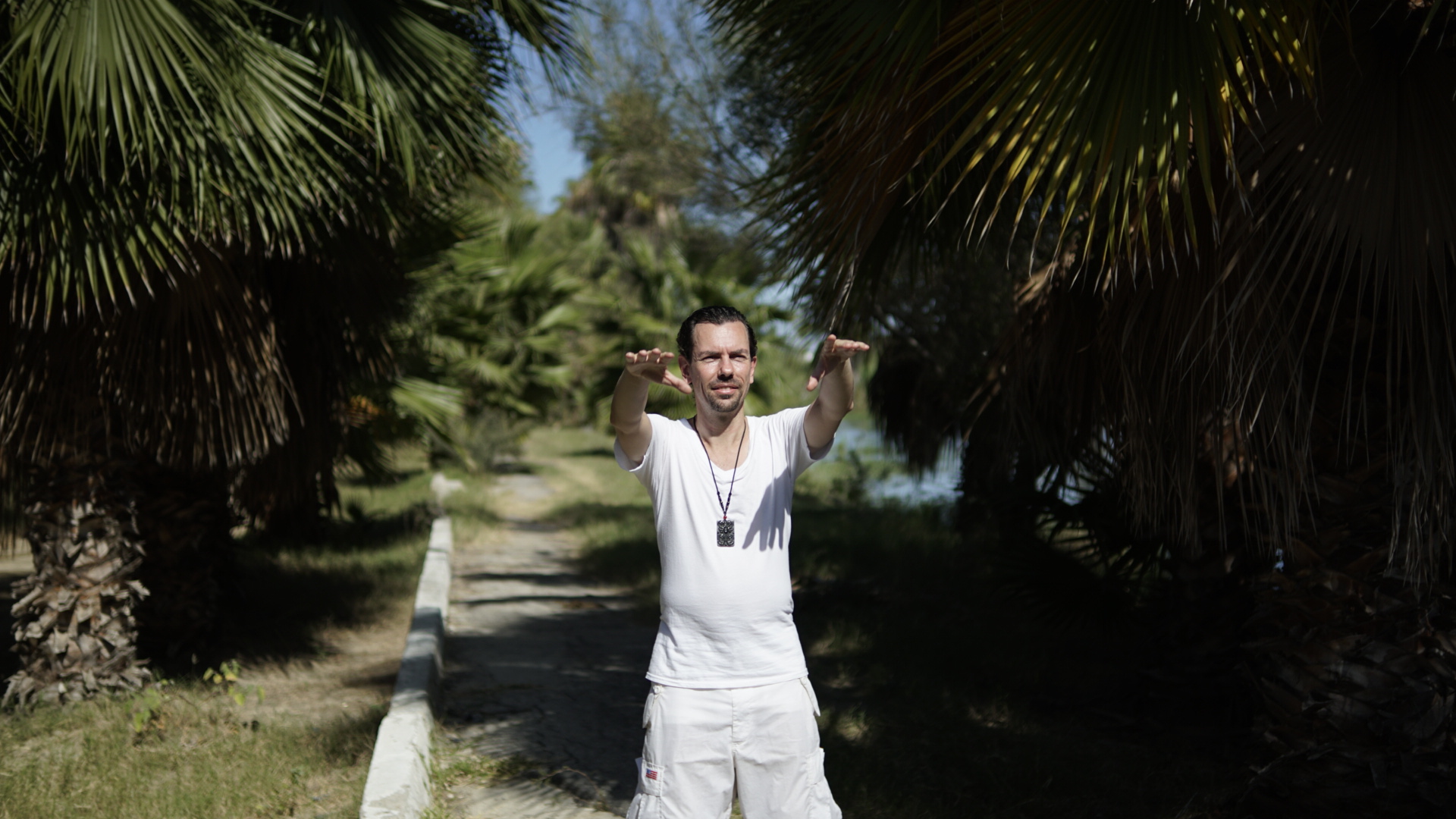
With Fabrice Piché, indoor student of Professor Lin
Orig. $500 · Free access
The complete original set
Over 40 hours of instruction
Practice at your own pace
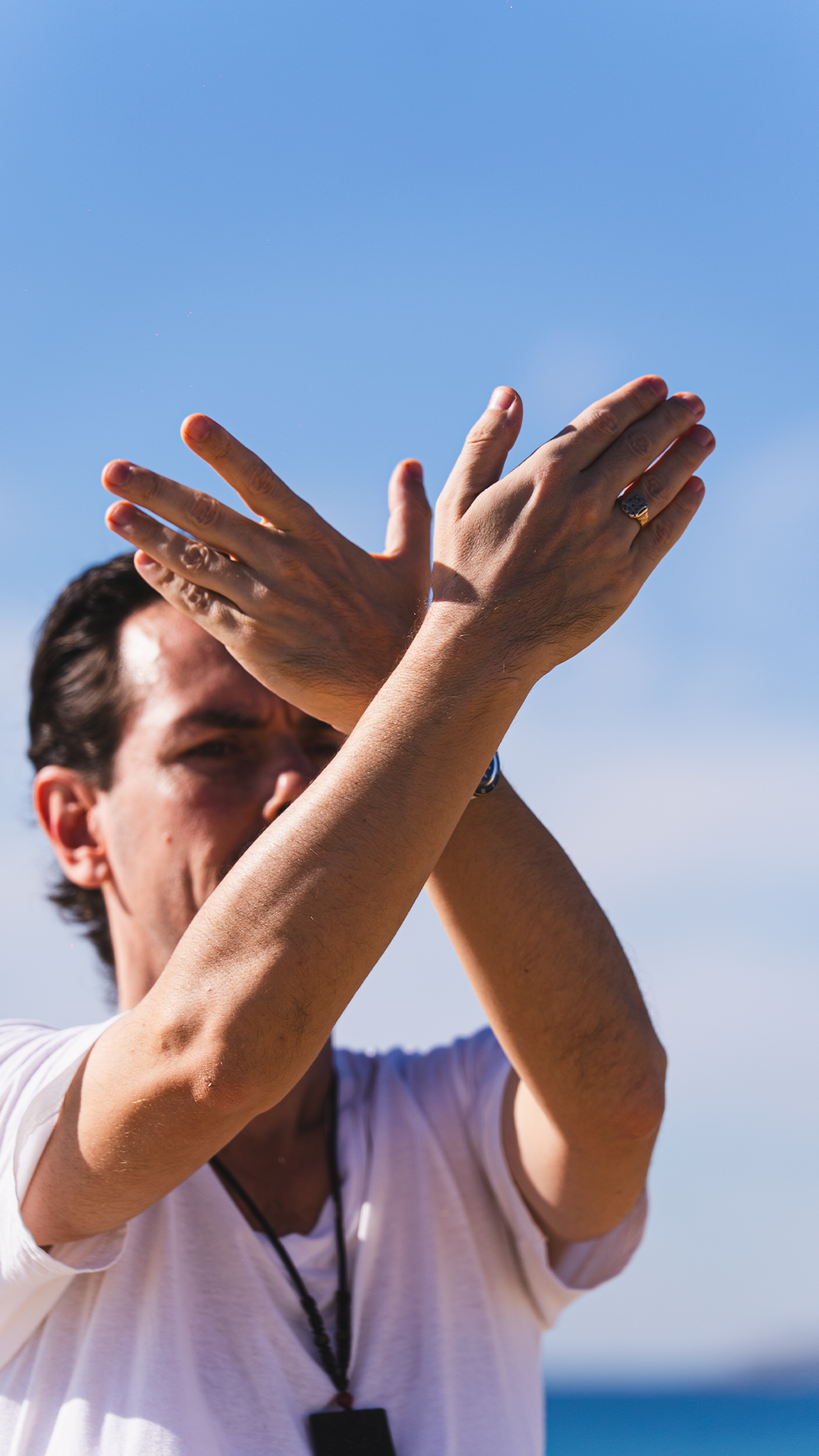
“This feels like a completely different movement.”
It is one of the most common things students say after working through a movement with Fabrice. From the outside, almost nothing changed. From the inside, everything did.
This course takes you beyond remembering the choreography. Explore how structure, breath, and attention work together, and build a foundation you can return to throughout your practice.
Begin with correct form. Develop the alignment and foundations behind each movement.
Explore the relationship between your breathing and the way movement unfolds.
Give the material time to become practice. Return with new questions as your understanding develops.
Recorded from a live training with a group of acupuncturists, this course has Chinese medicine depth built into every section. You don’t need that background to practice correctly. The depth is there when you’re ready for it.
All 18 movements taught in detail: structure, alignment, upper and lower body coordination, and the basic breath connection. Sessions run 7 to 15 minutes.
Every movement revisited through breath mechanics, internal pressure, Qi perception, entering tranquility, and the therapeutic purpose of each position.
The standing foundation that gives the movements their structure and internal power.
From surface sensitivity to deeper internal sensing throughout the body.
Qigong breathing mechanics and how breath specifically moves Qi and blood.
Organ systems, channels, and clinical application principles.
Guan Qi, Dantian circulation, and Qi ball development exercises.
Fabrice Piché
Indoor student of Professor Lin Housheng
Fabrice Piché is a practitioner of Chinese Medicine, Medical Qigong, and Acupuncture with nearly 30 years of teaching experience. Beginning his training in 1997, he holds advanced diplomas in Qigong, Chinese Massage Therapy, a Master of Medical Qigong (affiliated with Henan University), and formal acupuncture training.
In 2011, Fabrice began studying privately with Professor Lin Housheng—creator of Taiji Qigong Shibashi and former director of the Shanghai Qigong Research Institute—training regularly at his Los Angeles residence through 2019.
In 2012, Professor Lin officially appointed Fabrice as an authorized representative with a signed mandate to preserve the system’s authenticity in the West. He was later publicly acknowledged as an indoor disciple at the 12th Shanghai International Symposium, performing alongside Professor Lin (watch demonstration).
Fabrice founded the first authorized Shibashi Teacher Training Program in Canada in 2012 and continues to teach students across North America, Europe, and beyond.
Wherever you’re starting from, the full course is yours at no cost.
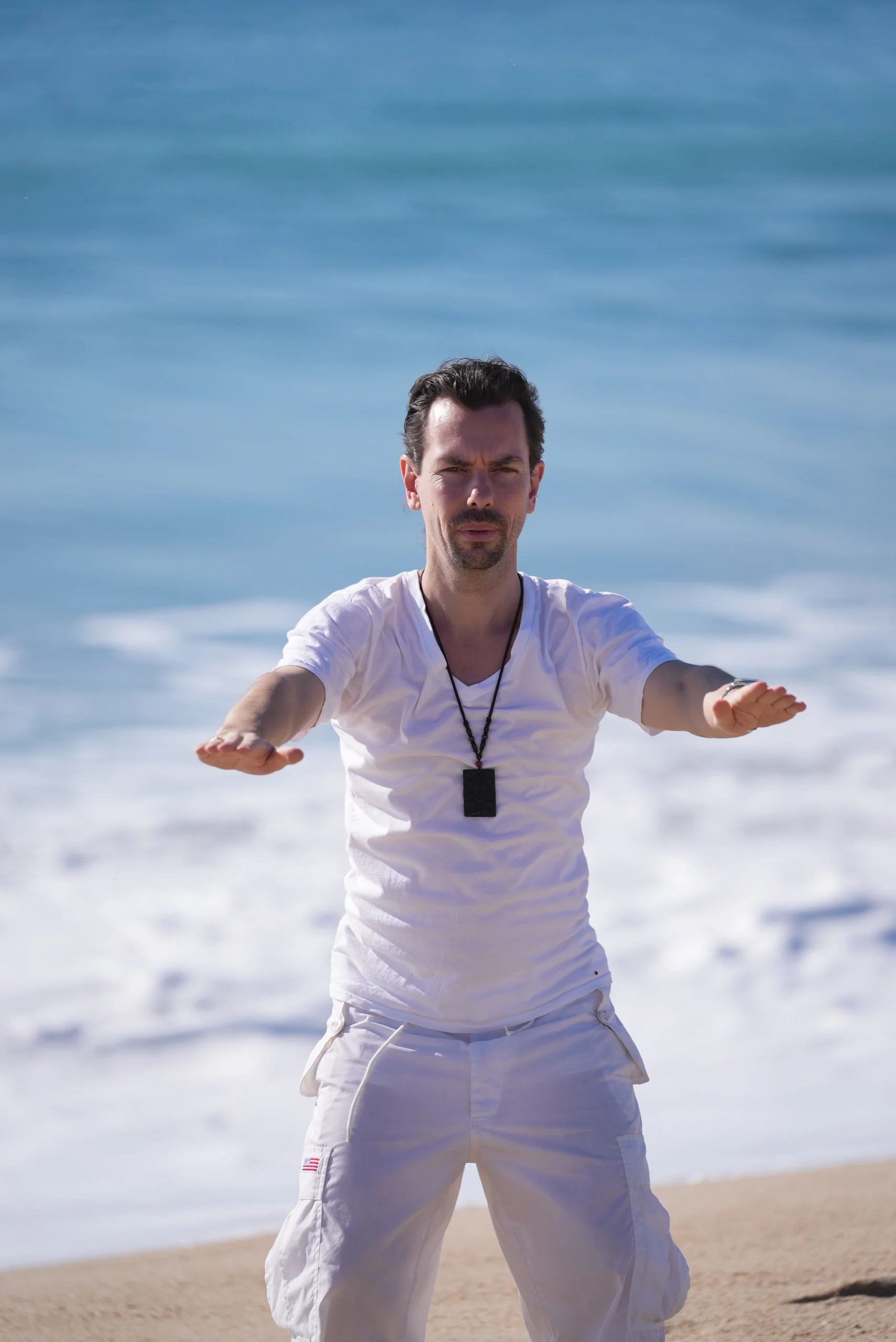
New to Qigong? Begin with correct form and build your understanding from the ground up. No previous experience required.
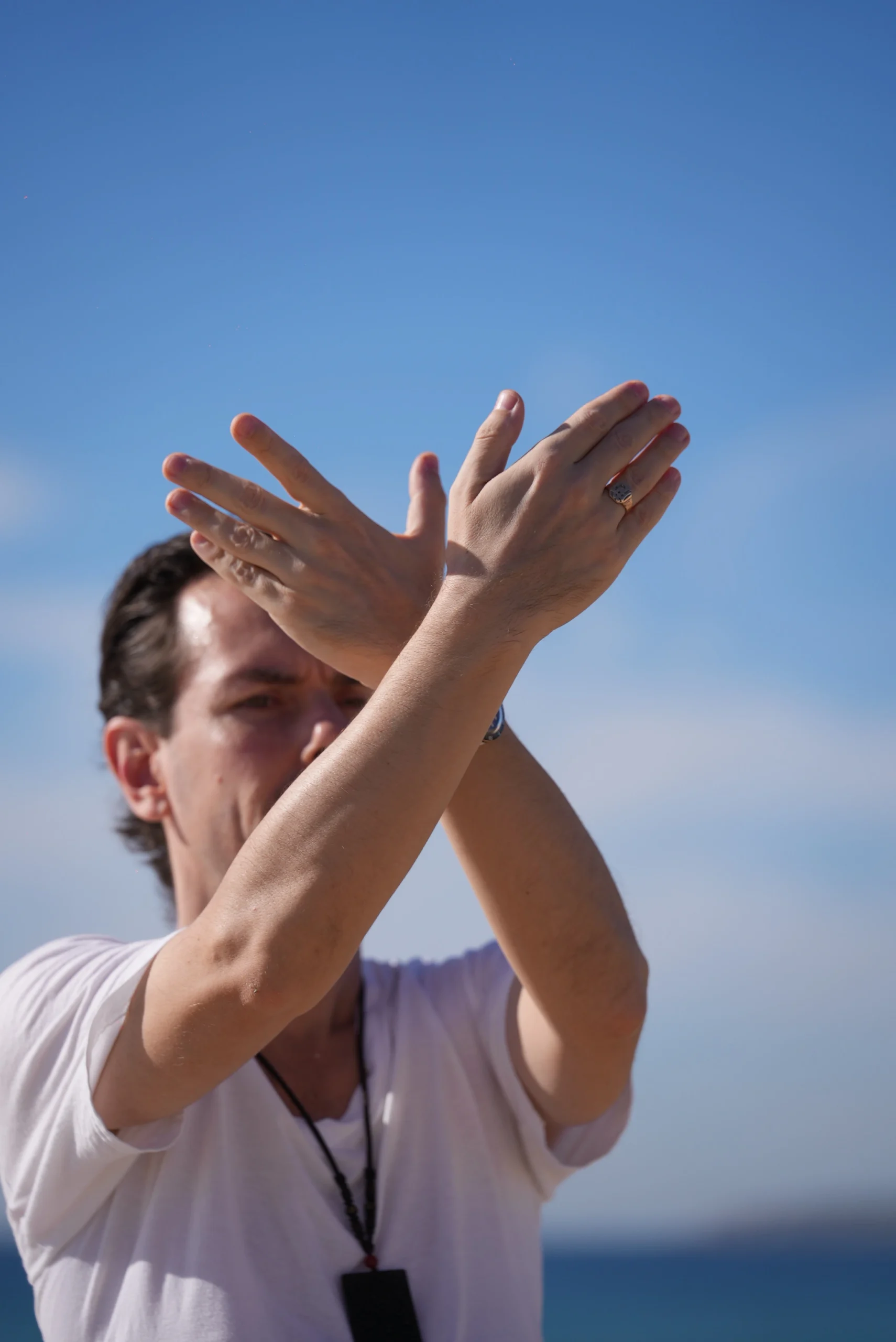
Move beyond the external shape. Explore the internal principles behind movements you may have practiced for years.
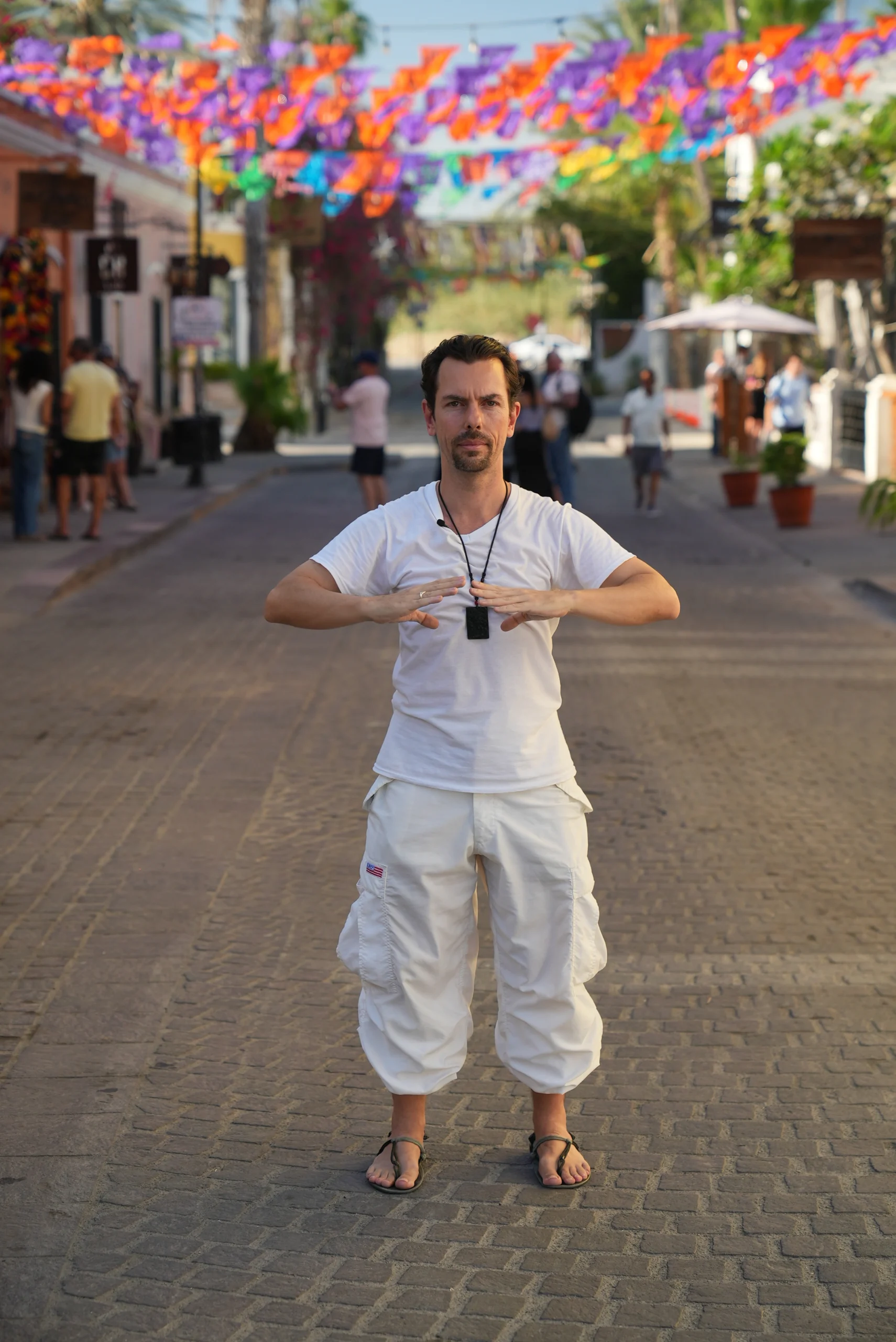
For teachers, therapists, and acupuncturists who want a more complete understanding of the system and its foundations.
Comprehensive step-by-step video instruction, practice sessions, and clinical theory.
Created by Professor Lin Housheng in the late 1970s, Taiji Qigong Shibashi brings structure, breath, and meditation into one connected system.
Fabrice studied regularly with Professor Lin from 2011 to 2019. In 2012, Professor Lin appointed Fabrice and François Caron as his authorized representatives in Canada and France, with a mandate to preserve the authenticity of the system.
Professor Lin creates Taiji Qigong Shibashi
Fabrice begins private study with Professor Lin
The original teaching. Wherever you practice.
Give yourself time to live with the movements. Three to six months is a useful starting rhythm for most students. With lifetime access, you can return as your practice evolves.
Yes. The complete Set 1 Master Course, originally $500, is now free, with every session included and lifetime access.
Fabrice wants the authentic system to reach as many practitioners as possible. Removing the cost was the most direct way to do that.
Yes. The first layer takes you from the beginning through correct form. Previous experience may help you progress, but it is not required.
You have lifetime access across all your devices. The course does not expire.
Absolutely. The course is complete on its own for personal practice. Understanding what a movement does and why it works adds depth to the way you practice.
This free course is the foundation of Teacher Training. The paid Teacher Training program adds 10 private one-on-one sessions with Fabrice and merit-based lineage certification. This course alone does not include certification.
No. You do not need to enter credit card or payment information to access the free course.
Taiji Qigong Shibashi Set 1 Master Course with Fabrice Piché.